Connecticut boasts some of the most picturesque and historic housing stock in New England. However, owning a home in the Nutmeg State comes with unique environmental and structural challenges.
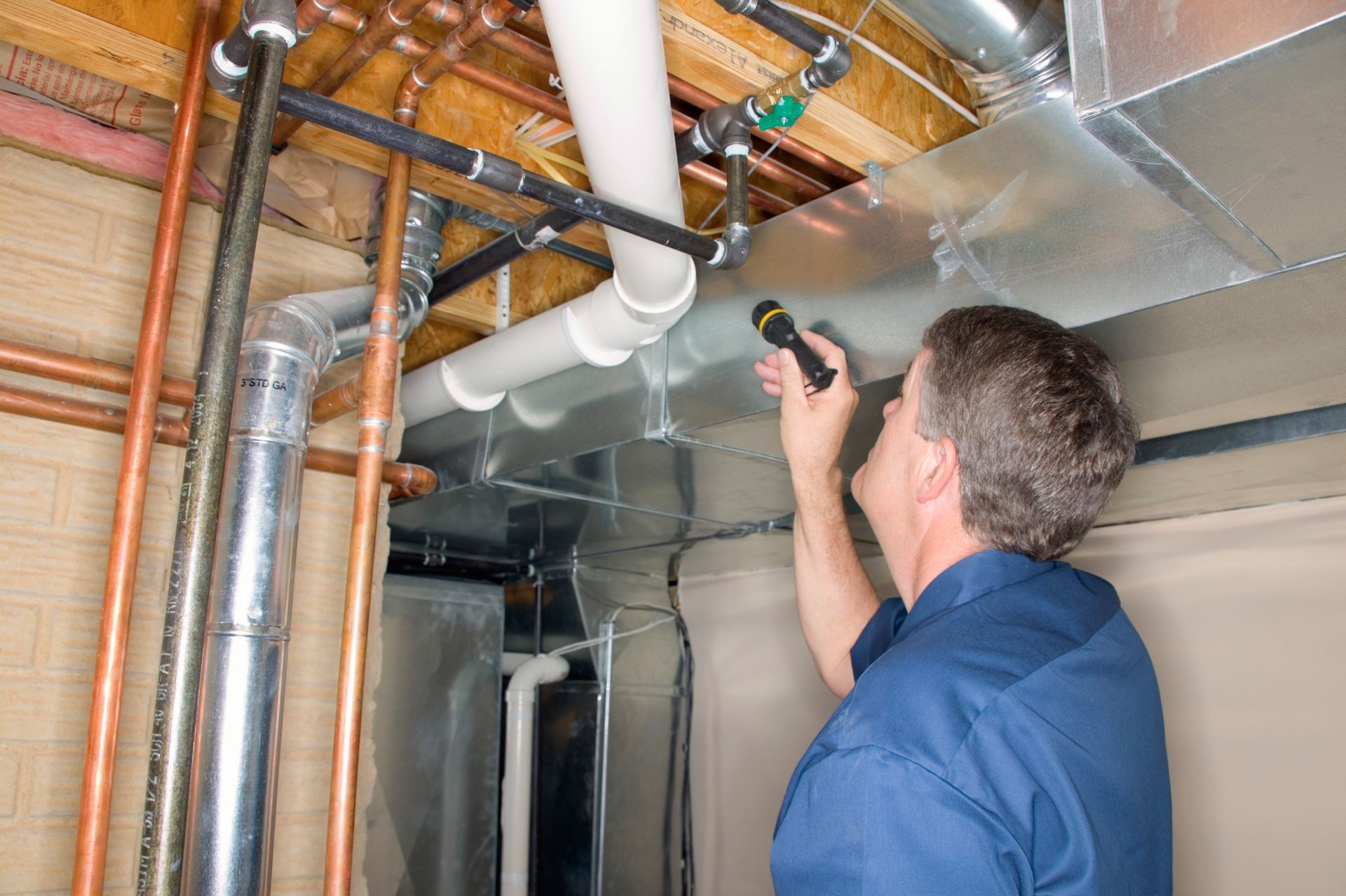
From the high water tables and coastal humidity along shoreline communities like Fairfield and Old Saybrook, to the aging fieldstone foundations common in our pre-1920s homes, maintaining a safe living environment requires specialized knowledge. To help you navigate these regional hazards, we have compiled five critical tips to enhance the safety and health of your Connecticut home
Test for Radon and Maintain Life-Safety Alarms
Connecticut's natural bedrock continuously emits radon, a colorless, odorless radioactive gas. The Connecticut Department of Public Health (DPH) strongly recommends that every home be tested.
If your results show levels at or above the action level of 4.0 pCi/L, professional mitigation registered with the Department of Consumer Protection is required. In addition to radon testing, state law mandates carbon monoxide (CO) detectors and smoke alarms in all residential buildings. Local fire marshals advise installing these on every level of your home and outside each sleeping area.
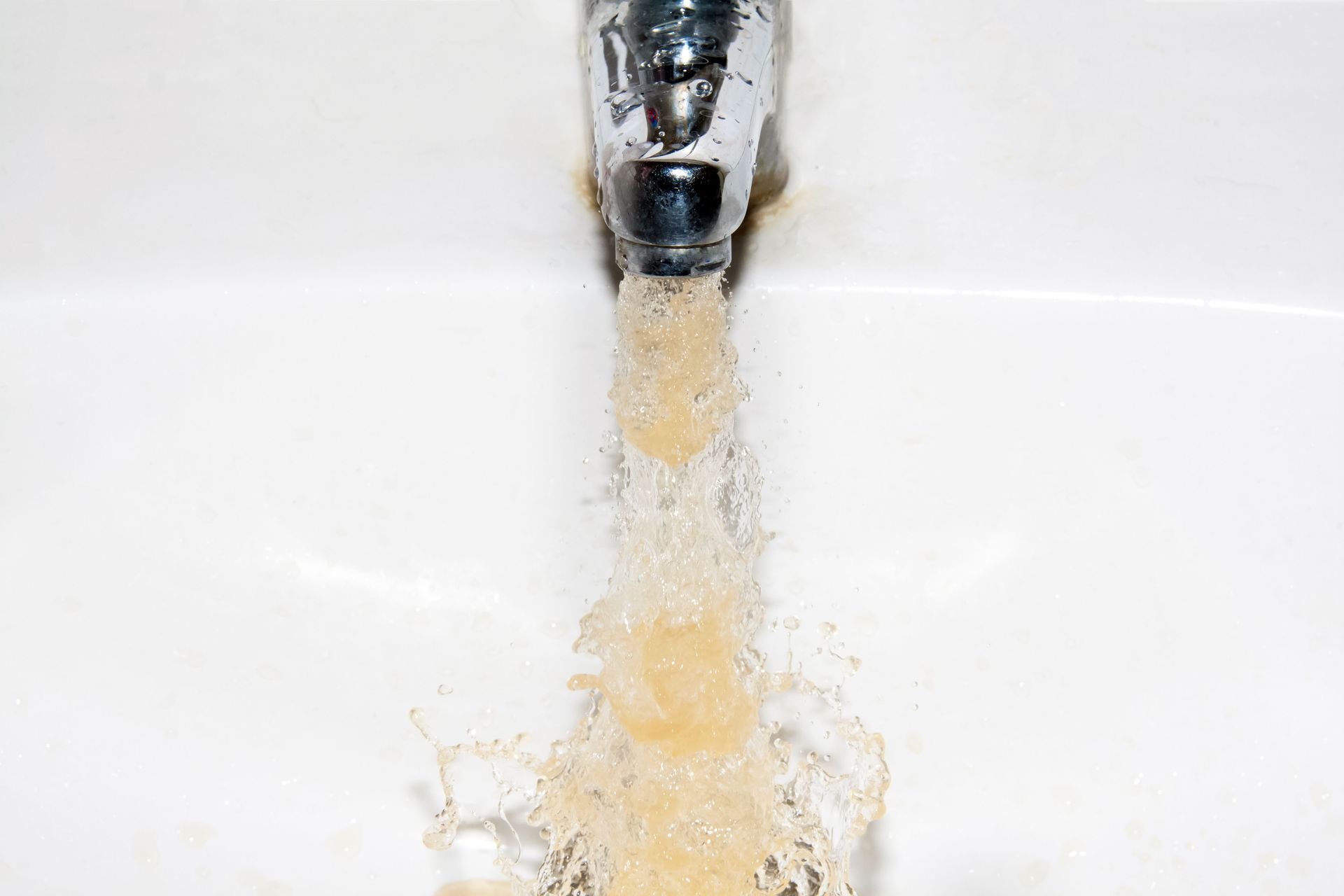
Schedule Annual Private Well Testing
If you are among the over 23 percent of Connecticut residents who rely on private well water, routine testing is a fundamental safety protocol. The CT DPH Healthy Homes Initiative recommends annual testing for basic potability indicators.
Expert Insight
Homeowners should schedule periodic testing for specific regional contaminants such as arsenic, uranium, and lead, which are naturally present in various underground corridors throughout the state.
Manage Groundwater and Foundation Moisture
Connecticut's high water table, clay-heavy soils, and coastal humidity create severe moisture challenges. This is particularly problematic for historic homes built with fieldstone foundations.
These older foundations were designed to be breathable, naturally absorbing and releasing ground moisture. Applying modern waterproof paints or cement over fieldstone traps this moisture inside, leading to severe mortar decay and providing a breeding ground for mold. Focus on exterior drainage and proper dehumidification rather than improperly sealing interior walls.
Follow State Protocols for Mold Remediation
When moisture control fails, mold proliferates. While Connecticut does not license mold remediation professionals, the CT DPH provides strict guidelines, recommending adherence to the IICRC S520 Standard.
- Source Control: Stop the moisture intrusion at the root.
- Physical Removal: Remove porous moldy materials (drywall, insulation) rather than just spraying biocides.
- Visual Indicators: Visible mold or musty odors in your coastal or historic home dictate immediate, professional removal.
Safely Abate Lead Paint and Asbestos Hazards
Connecticut's older housing stock frequently contains lead paint and asbestos, both of which are heavily regulated. Under the CT DPH Lead Poisoning Prevention Program:
Lead Paint (Pre-1978)
Disturbing >6 sq ft requires contractors to be EPA RRP Certified.
Asbestos Abatement
Abatement of >3 sq ft must be performed by a CT DPH-licensed contractor.
DIY removal is strongly discouraged, as improper handling releases toxic dust into your living space.
Protect Your Home Today
Securing your home against environmental hazards requires professional expertise and strict adherence to state health guidelines. At Chase Lead Mold and Asbestos removal, we specialize in the safe, compliant, and efficient remediation of Connecticut's most challenging home hazards.
If you suspect mold, lead, or asbestos in your property, do not risk your family's health or legal liability.